Indexing Velocity: Proven Methods to Get New Pages Crawled Faster
Why indexing velocity matters for fresh content
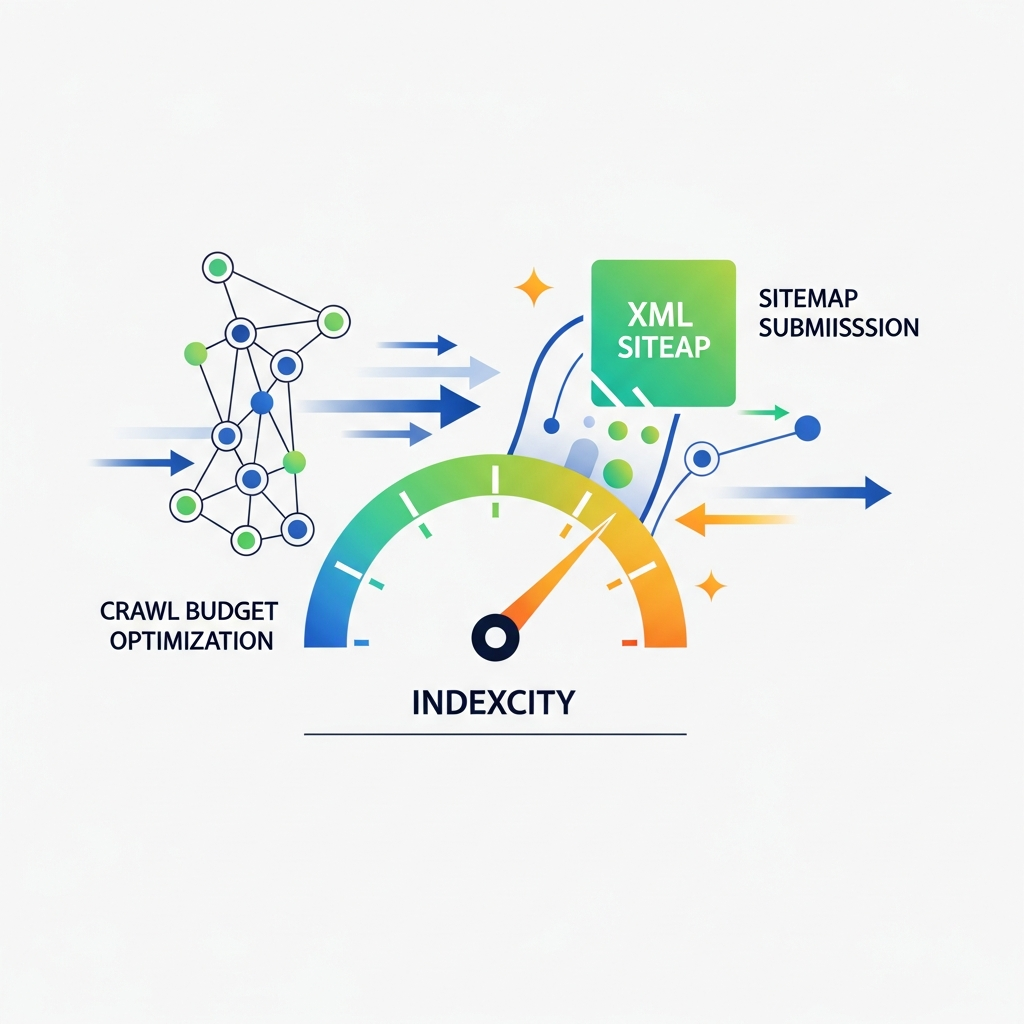
Indexing velocity describes how quickly search engines discover, crawl, and index newly published pages. For sites with frequent content updates, product launches, or time-sensitive pages, speeding up indexing can translate into faster visibility in search results, earlier traffic, and quicker validation of new content strategies.
New pages don’t instantly show up in search results. Search engines crawl the web continuously, but their crawl workload is finite. By improving indexing velocity, you help search engines prioritize your fresh content among the many pages competing for attention. This is especially important for product pages, category updates, and timely blog posts where being indexed promptly accelerates downstream benefits like rankings, traffic, and conversions.
In practice, indexing velocity is not a single lever you pull. It’s a coordinated set of signals and workflows that reduce friction for crawlers, ensure your pages are discoverable, and communicate freshness to search engines efficiently.
To build a reliable velocity, adopt a framework that covers discovery, crawl efficiency, and validation. The sections that follow outline concrete actions you can implement this week, plus practical considerations for large sites and multilingual setups. For more on aligning content operations at scale, visit our editorial workflow for agencies article.
Crawl budget optimization: make every crawl count
Crawl budget is the amount of attention a search engine assigns to your site over a given period. For large sites or frequently updated catalogs, inefficient crawl budgets can slow indexing of important pages. Optimizing crawl budget means ensuring crawlers spend their time on your highest-value content instead of poring over low-priority areas.
Key concepts
- Prioritize high-value URLs: product pages, category hubs, and time-sensitive content
- Limit low-value pages: use robots.txt, meta robots noindex, or canonical signals for pages that do not contribute to your objectives
- Streamline the crawl path: reduce redirect chains and unnecessary parameterized URLs
- Consolidate duplicate content: canonicalization and proper canonical tags
Concrete steps you can take
- Audit indexable pages and prune or noindex pages that don’t serve users (thin content, duplicate templates, stale pages).
- Implement a clean URL structure with consistent patterns to simplify crawling and indexing.
- Use a logical internal linking strategy to guide crawlers to priority pages.
- Leverage a sitemap that highlights your most important pages and keeps low-value pages out of the sitemap where possible.
For additional ideas on how to optimize crawl budgets across multiple sites or locales, check our main blog index and related posts on our blog.
Sitemap submission: the backbone of rapid indexing
A well-structured sitemap helps search engines discover new pages quickly, especially after publication or site-wide restructures. Sitemaps serve as a map of your site’s architecture and content priorities, signaling which pages to crawl first and how often content changes.
Best practices for sitemaps
- Publish fresh sitemaps when major updates occur, and submit them via Google Search Console or your preferred webmaster tools.
- Maintain a sitemap index file that references multiple sitemaps (for large catalogs) to keep individual files manageable.
- Include only canonical URLs and avoid including pages blocked by robots.txt or marked noindex.
- Update frequency should reflect content velocity; high-change pages may warrant daily or weekly updates.
As a practical tip, link to your sitemap in your site footer or robots.txt to avoid discovery issues, and ensure your sitemap remains accessible with proper HTTP status codes (200 OK).
For a broader perspective on content operations, you can explore our editorial workflow for agencies and see how structured content planning aligns with sitemap parity.
URL inspection and indexing signals
URL inspection tools enable you to request indexing for individual pages and to verify how Google (or other engines) sees a page. This is especially useful for newly published content or pages that recently underwent updates. Inspection results reveal crawl status, index status, and potential blockers that prevent indexing.
How to use URL inspection effectively
- Submit new URLs for indexing as soon as they go live.
- Check for canonicalization issues, redirects, and mixed content that could impede indexing.
- Verify that structured data and metadata are correctly implemented to support indexing signals.
If you’re coordinating a broader indexing push across dozens or hundreds of pages, automate a regular URL inspection cadence and flag pages that need human review. For a broader discussion on how automation helps content teams, see our blog for related posts.
Indexing time reduction tactics
Indexing time refers to how quickly a newly published page reaches the index after it is created. Reducing indexing time involves aligning the page’s signals with crawler expectations and minimizing friction in the discovery path.
Practical tactics
- Publish content with a clear signal of freshness, such as updated publish dates and topic relevance.
- Ensure fast server responses and minimal rendering delays to avoid timeouts during crawls.
- Provide a clean canonical structure and remove unnecessary redirects that could slow down indexing.
- Use internal linking to create a quick discovery path from existing, high-authority pages.
In practice, a recurring routine of content audits, linking refinements, and load-time optimizations yields noticeable gains in indexing time over a few weeks. For more on how editorial pipelines support fast indexing at scale, explore our editorial workflow article.
Consider speeding up automation through your CMS by configuring alerts and workflows that ping search engines when you publish a new page. To see how automation platforms structure these processes, read more in our related coverage on the blog.
Server response time and site speed
Server response time (TTFB) and overall page speed directly influence crawl efficiency. Slower sites drain crawl budget and can delay indexing as crawlers spend more time waiting for responses or rendering content.
Optimization strategies
- Upgrade hosting or leverage a content delivery network (CDN) to reduce latency for crawlers across geographies.
- Minimize server-side processing by optimizing backend code, databases, and caching layers.
- Compress assets, optimize images, and defer non-critical JavaScript to improve first contentful paint and crawl efficiency.
- Monitor 200 OK responses and fix any 4xx/5xx errors that indicate broken or inaccessible pages.
While server performance is a technical constraint, it is a critical lever for indexing velocity. A faster site not only improves user experience but also invites more frequent and efficient crawls by search engines.
Architectural and technical speed-ups to support crawling
A robust site architecture makes it easier for crawlers to navigate and index pages without getting lost in a maze of redirects or duplicate content. Focus on clean URL structures, predictable navigation, and scalable templates that maintain consistency across pages and locales.
Design patterns that help crawlers
- Flat or shallow site hierarchy where practical, with category pages linking to top-level items
- Consistent URL patterns and stable slugs to reduce crawl confusion
- Controlled use of dynamic parameters and canonical handling for product catalogs
- Minimized redirect chains and fast, 200-status deliverables
These architectural choices support faster discovery and indexing of new content, especially when paired with a disciplined content strategy and timely sitemap updates. For a broader perspective on scaling editorial operations and site design, see our editorial workflow guide and related resources.
To complement architectural changes, you can also explore regional publishing workflows that help automate publishing at scale, such as examples in our regional automation content series.
For a practical, scalable approach to editorial workflows, you may also find value in our editorial workflow at scale article.
Internal linking and discovery: guiding crawlers through your site
Internal linking is a powerful signal for crawlers, helping them discover new pages while spreading authority from high-value pages to newer ones. A thoughtful internal linking plan ensures that new content is immediately reachable from relevant hubs and category pages.
Best practices
- Link from authoritative pages to new content to accelerate discovery and initial indexing.
- Keep anchor text descriptive and relevant to the target content to improve crawlability and user understanding.
- Use a mix of navigational and contextual links to signal content importance across categories.
As you grow, use automated workflows to audit and reinforce internal links, ensuring new pages remain connected to the broader site structure. Learn more about scalable editorial and linking workflows in our guidance for agencies and teams.
For more on editorial processes and scalable content strategies, you can review our editorial workflow at scale resource.
Practical workflows, checklists, and automation
Turning these concepts into repeatable results requires disciplined workflows. A practical approach combines content planning, crawl-aware publishing, and continuous auditing. Below is a compact framework you can adapt to your team and tech stack.
Indexing velocity playbook
- Inventory: catalog all new pages and categorize by strategic importance (high/medium/low).
- Validate: run URL inspection to surface any blockers (redirects, 4xx/5xx, canonical issues).
- Publish: schedule updates in your CMS with a predictable cadence and proper metadata signals.
- Notify: refresh sitemaps and ping search engines when significant changes occur.
- Audit: run monthly crawl and index reports to identify bottlenecks and opportunities.
These steps form a lightweight, repeatable process that scales with your site. For more detail on operational workflows for agencies, see our editorial workflow for agencies.
To keep your content calendar aligned with indexing goals, you can also explore the regional automation approaches described in our regional CMS posts.
If you want a ready-to-use checklist, consider our 30-day plan templates and adapt them to your site’s velocity and localization needs.
Internal linking and sitemap updates can be automated through your CMS or a platform you trust. See the overview in our blog and tailor it to your own tech stack and multilingual strategy.
For a quick overview of related topics, visit our homepage or the blogs hub to explore more content on automation and optimization.
Conclusion: turning indexing velocity into a repeatable advantage
Indexing velocity is less about a single trick and more about coordinating discovery, crawl efficiency, and validation signals. By prioritizing crawl budget, optimizing sitemap submission, using URL inspection strategically, reducing indexing time, and improving server performance, you create a favorable environment for new content to be crawled and indexed quickly.
In practice, you’ll find that small, disciplined improvements compound over time. Start with a quick audit of your most important pages, confirm your sitemap reflects current priorities, and implement a lightweight internal-linking strategy that directs crawlers toward fresh assets. Combine these steps with a robust automation framework to sustain momentum as your site grows.
If you’d like to discuss a tailored approach for your site, you can explore related resources and connect with our team through our blog hub. For more on scalable content processes, see our editorial workflow article and regional automation case studies.
For ongoing insights, keep an eye on our blog and consider bookmarking the home page for easy access to new guides on indexing, crawl management, and performance optimization.